Friday, May 31, 2013

What the H1B Visa Proposals Mean for Indian IT Firms

What the H1B Visa Proposals Mean for Indian IT Firms

by N.S. Ramnath 
Thursday, May 30, 2013 | 11:13:09 PM

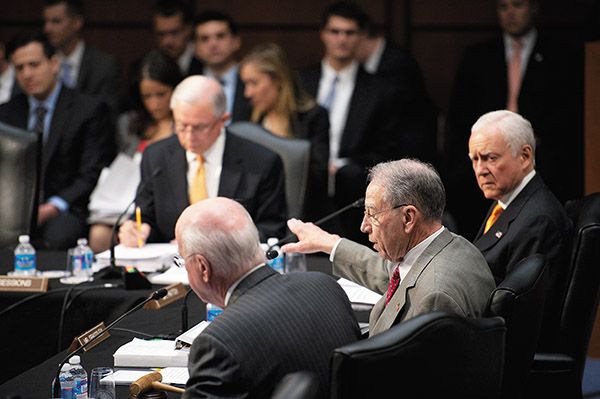
Some of the proposals related to H1B visas in the US Senate’s comprehensive immigration bill have triggered a sense of panic among Indian IT services companies. If passed, the IT companies fear they will have to spend more, sacrifice margins and perhaps even lose the competitive advantage. Nasscom, the lobbying body of software companies in India, has argued that the proposals are discriminatory and go against the idea of free markets. Its officials hint about a trade war between India and the US over this issue. The truth, as always, is more complex. 

Tuesday, May 28, 2013

Primary Education in India Needs a Fix and other stories

Primary Education in India Needs a Fix
by Sriram Balasubramanian


The Programme for International Student Assessment (PISA) ranks India almost at the bottom of the pack in terms of maths and English literacy

When Devanik Saha started teaching in 2011, Nishika was three years behind her grade level. Despite numerous assignments and standardised tests over two academic years, she made only a tiny progress of 0.7 years (about eight-and-a-half months) in maths and 0.5 years (six months) in English. 


“She was never taught properly in school due to lack of invested teachers,” says Saha who teaches maths, English and science at Pratibha Nigam Vidyalaya, a public school in Delhi. “The progress, although tiny, is not a measure of her true abilities and potential, which I believe is in arts.”

Blossoms in the dust: (Re)covering lessons in innovation from history

Blossoms in the dust: (Re)covering lessons in innovation from history

Baba Prasad 
05/23/2013


My wife, Leela, and I were graduate students in the USA when we first met her in the university cafĂ© one day. Over the next two years that Leela and I spent getting our Master’s degrees and over the years that followed, Kusum became a close friend–unknown to all of us, these were what would become the last few years of her life. She died in 1993, seventy-four years old. She called us “her children” and telephoned us even on the day she died—we were in Philadelphia and she in Kansas. Leela was perhaps the last person she called.

Thursday, April 25, 2013

Government Subsidies: Silent Killer Of Renewable Energy

Government Subsidies: Silent Killer Of Renewable Energy
Guest post written by Paul Nahi


Hardly a day goes by that we don’t hear or engage in a conversation about energy. Too often, those conversations are about failed companies that lived only for government largesse. Whether the discussion is about the cost of energy, the damage being done to the environment, or national security issues, there is one constant: everyone agrees that the world needs safe, clean, and affordable energy.

As the chief executive of a solar technology company, no one wants an abundant supply of clean energy and a healthy solar energy industry more than I do. And the best pathway to a stable renewable energy industry is to create self-sufficiency and independence from government financial assistance.